Five days to a working prototype
Create a new product, feature, or improvement in one week. The sprint replaces months of meetings, and the budget that usually goes with them.

Solutions
A Design Sprint compresses months of meetings into one focused week. We map the challenge with your team, prototype the answer, and test it on five real users before the week is out. You leave with direct feedback and a clear next step.
A structured week that takes one product question from sketch to user-tested prototype.
Create a new product, feature, or improvement in one week. The sprint replaces months of meetings, and the budget that usually goes with them.
Design Sprints were proven at Slack, Uber, and LinkedIn. You follow a tested process instead of betting the roadmap on a hunch.
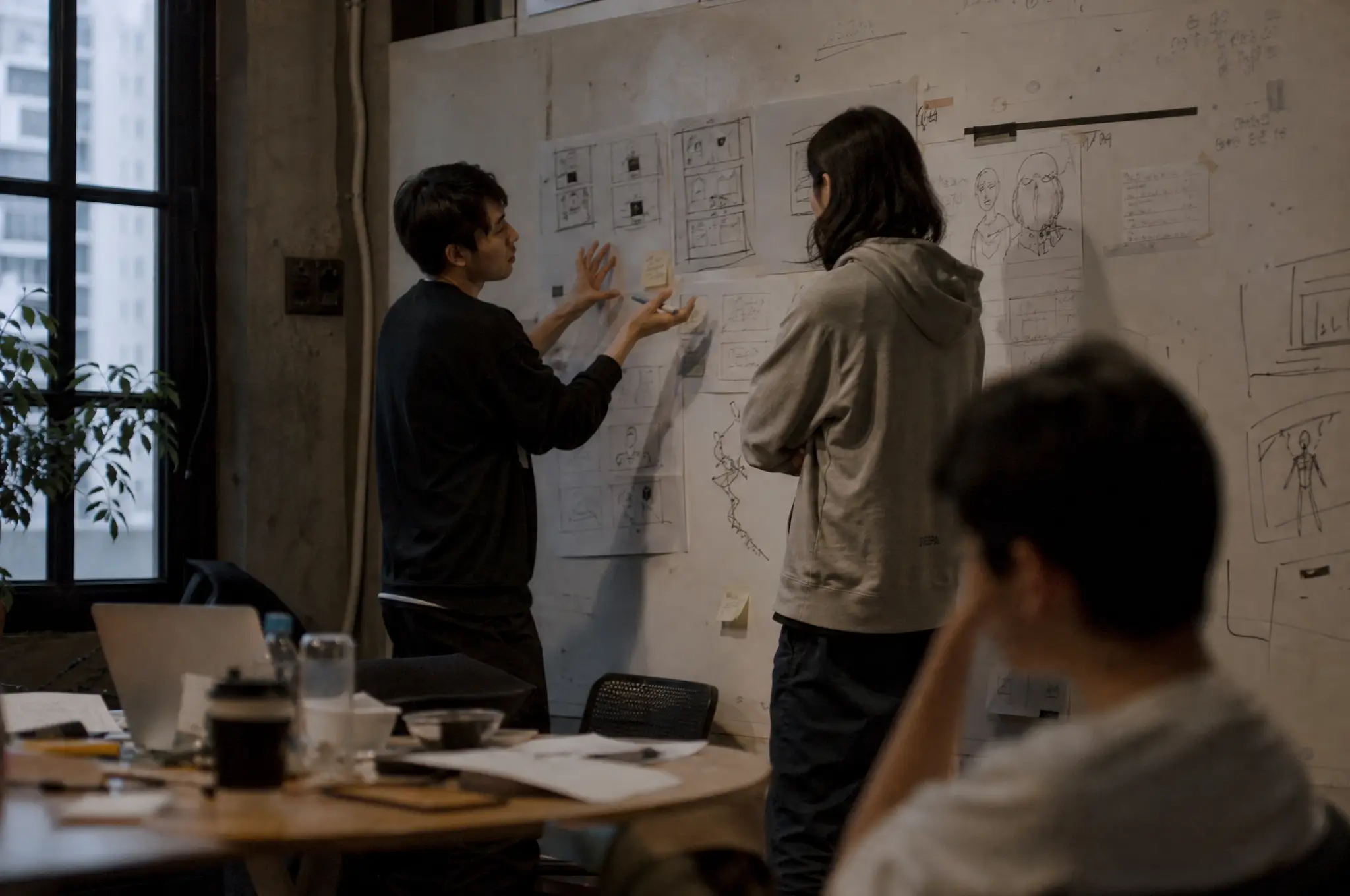
Brainstorm, decide, prototype, and test as one group. Everyone hears the same user feedback, so the argument about direction ends on Thursday.
Why a sprint
One question drives the week: how fast can we put this idea in front of the market? The sprint strips out the procrastination and ego that stretch normal agency projects, ours included.
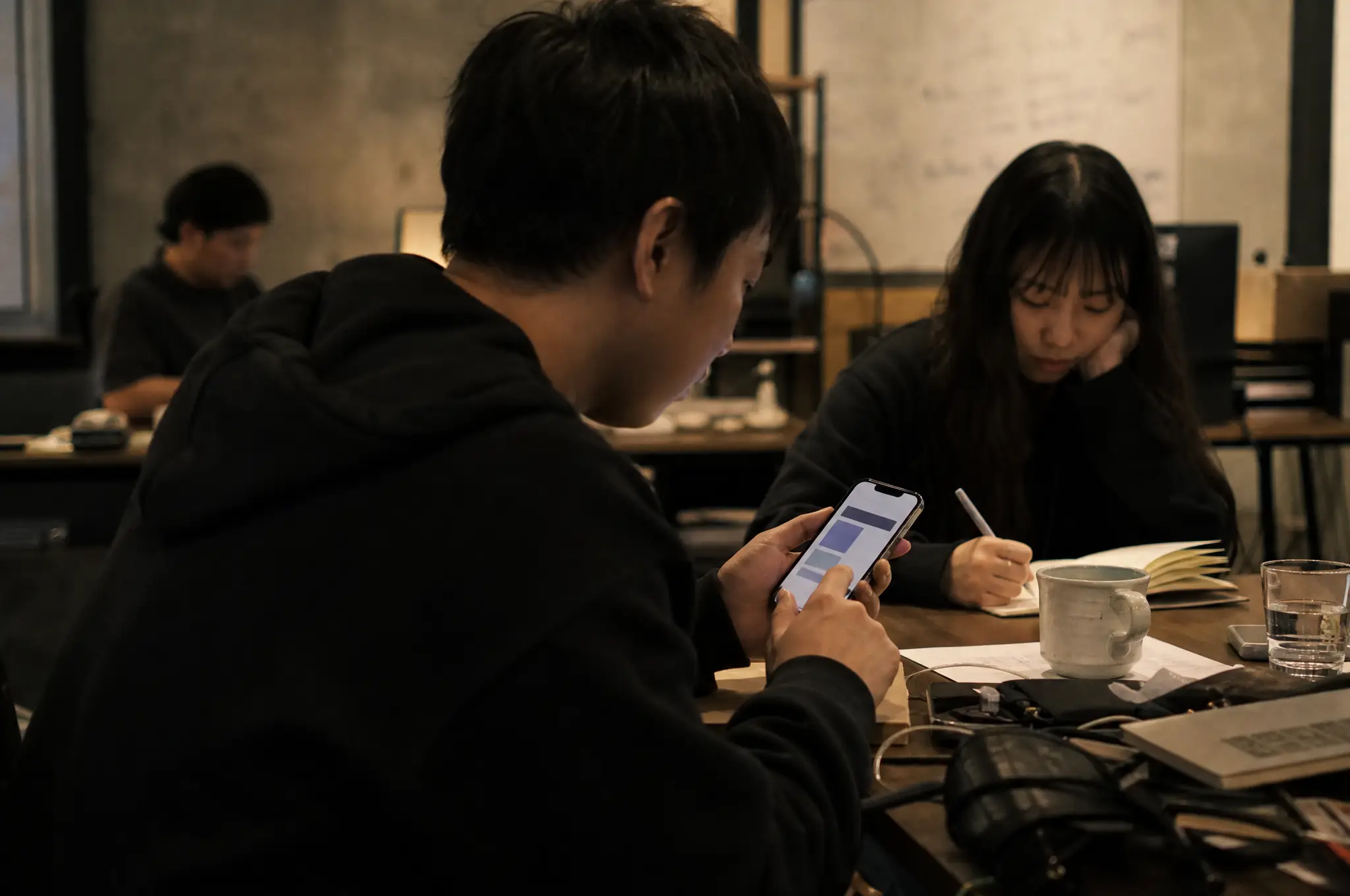
The sprint's pace builds QA into every step. You test before you build, which cuts cost and screens out the features your users would never touch.
The sprint week
The sprint runs Monday to Friday: understand the challenge, choose a direction, build the prototype, test it with five real users on Thursday, and spend Friday turning what they said into next steps.
Monday
Define the challenge, set the goal, and identify where a solution could work. The team leaves day one focused on a single problem worth solving.
One challenge and one measurable goal
Tuesday
Collect ideas, vote, and keep the strongest. Sketch storyboards and outline the prototype so the concept exists on paper before anyone opens a design tool.
A voted storyboard and prototype plan
Wednesday
Build the prototype and turn the sketches into something people can click. Refining here reduces risk before any real development starts.
One realistic prototype ready to test
Thursday
Put the prototype in front of five users and watch closely. The whole team hears the same feedback firsthand.
Five user sessions of direct feedback
Friday
We review the five sessions together, sort what worked from what did not, and turn the findings into next steps, so development starts in the right direction.
Concrete next steps your team agrees on
User evidence returns to the next product decision
You leave with a prototype, direct feedback, and a team aligned on what to build next.

What founders and product teams usually ask before booking a sprint.
We are pretty good at improving the user experience of a product. Tell us what you are working on and we will reply within one business day.
Schedule your discovery call