Solutions

Headless CMS development for publishers and commerce brands.

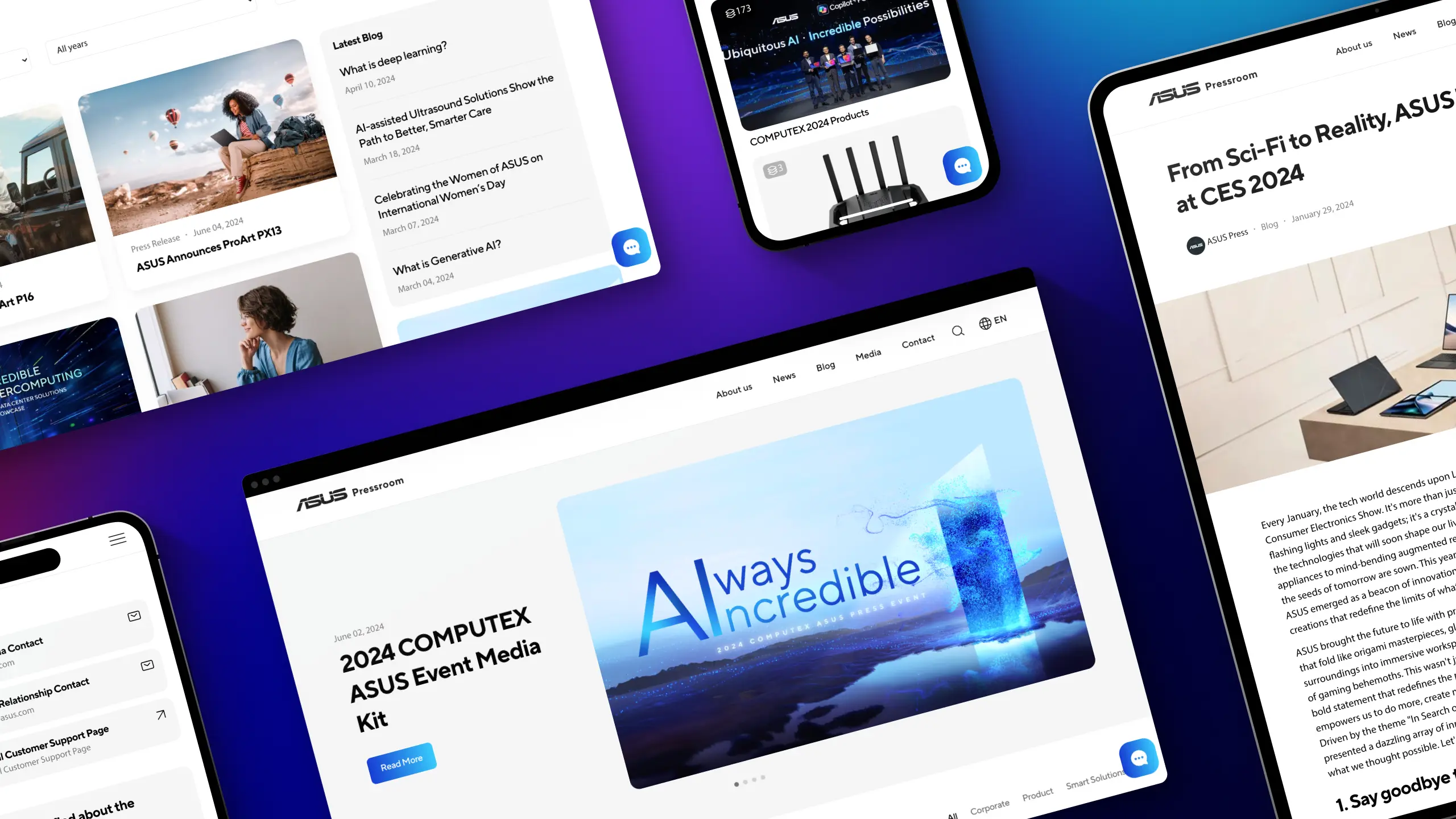
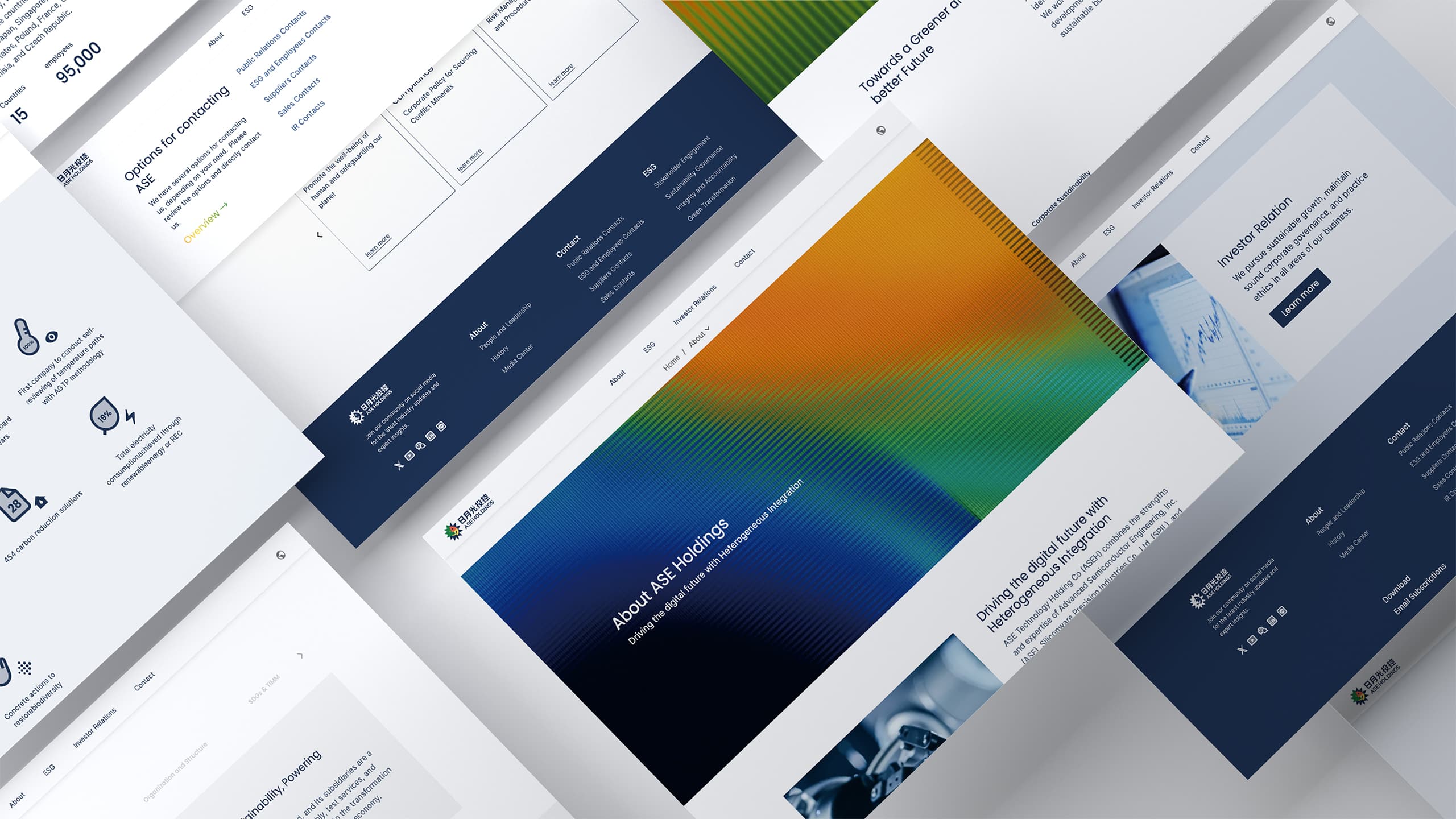
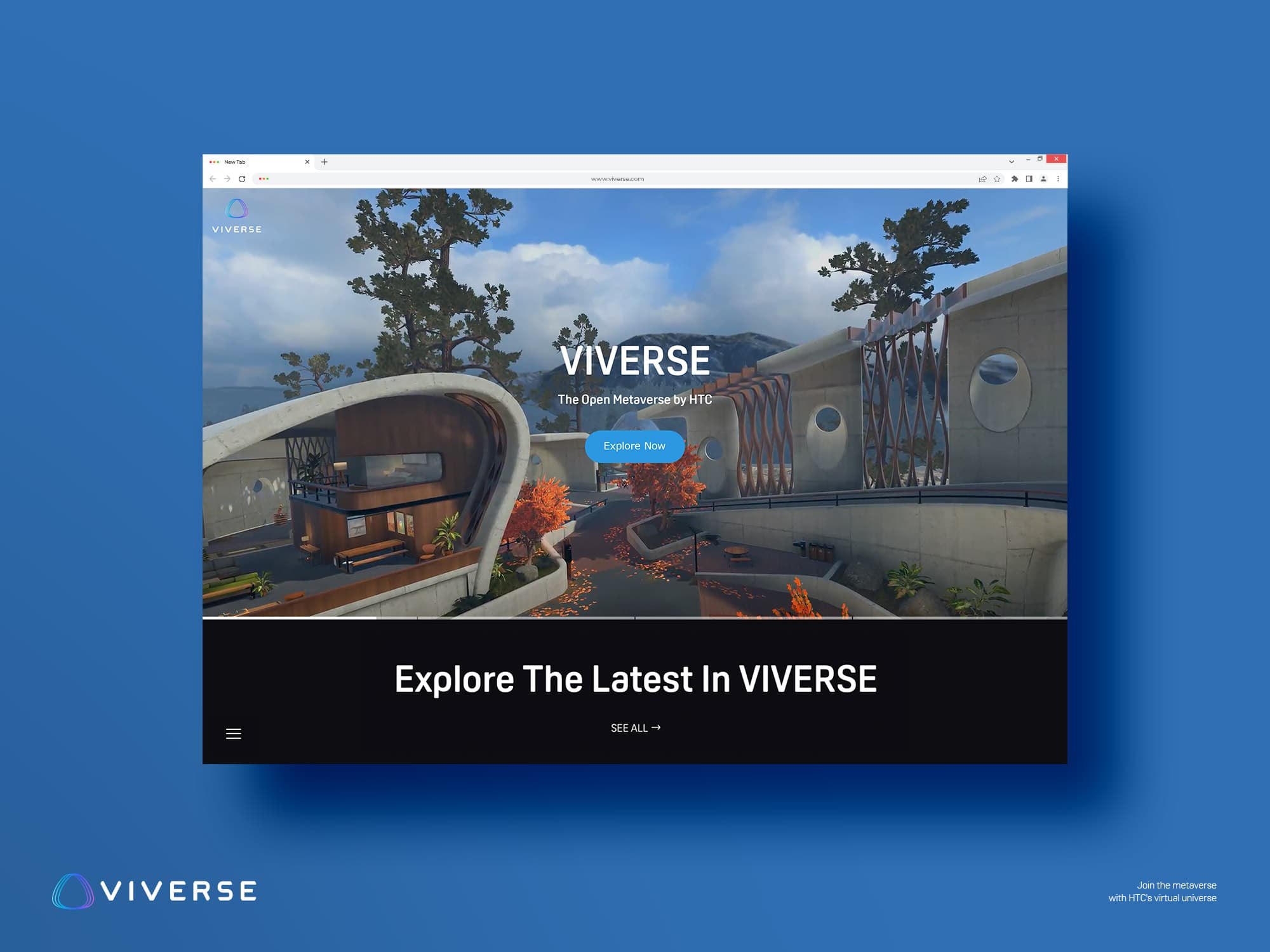
A headless CMS keeps content in one repository and serves it to any site or app through an API. We build Jamstack and headless stacks for enterprise web publishing and digital commerce. ASUS Pressroom, ASE Holdings, and Viverse are recent builds.

The stack

Four layers, one publishing system

Our engineers connect the interface, application, delivery, and commerce layers instead of treating them as separate vendor hand-offs.

Frontend · 01

React

We like React because it bends to the project instead of the other way around. It integrates cleanly with your stack, and new developers pick it up quickly.

Interface layerReusable components

Application · 02

PHP Laravel

Laravel keeps larger teams moving with shared conventions. Development tempo goes up, costs come down, and the codebase stays coherent as the team grows.

Application logicTeam scale

Delivery · 03

Headless / PWA

Pre-rendered pages ship from a CDN while app-like features load only where the product needs them. The result is a faster, more resilient frontend.

CDN deliveryApp-like UX

Commerce · 04

WordPress / WooCommerce

Not every project should leave WordPress. We build and maintain it, then decouple the frontend or migrate the data when the business is ready.

Content operationsCommerce

Shared foundation

SEO and Core Web Vitals start in the architecture

Crawling, indexing, rendering, and site structure are requirements of the build, not a cleanup task after launch.

Technical SEOQADevOpsPerformance
Two engineers working across code and content screens at night

Why headless

One content repository, any frontend

A headless CMS separates the content repository, the body, from the presentation layer, the head. Your team edits in one place; every site, app, and screen pulls the same content through an API. One honest caveat: it costs more to implement than an all-in-one CMS, because the CMS, the development, and the infrastructure are billed separately.

  • One source of truthManage website, app, and even internal admin content together, and reuse it anywhere an API can reach.
  • Teams work in parallelContent editors and frontend developers build at the same time, which is a big part of why headless projects move faster.
  • Any frontend, same contentLaunch a new site or channel by pointing it at the same APIs, without migrating content again.
Schedule your discovery call

How we turn ideas into working businesses

Four stages from first workshop to launch, run by the same team.

01

We set sights on your business goals and core values

An agile scoping stage that turns goals into a build plan. It covers web app development, strategy and consulting, digital transformation, and MVP launches.

02

We design the experience

A digital product has to fit the habits of the people using it. This stage runs UX research, UI design, Design Sprints, and CX transformation.

03

We build the product

Headless builds with React and GraphQL, custom APIs, and data migration. CMS work covers WordPress and WooCommerce, Contentful, Strapi, and Netlify. After launch, we maintain the code and keep it running well.

04

We deliver it to market

Launch is a strategy job as much as an engineering one. We cover digital strategy, martech consulting, content creation, and SEO with Core Web Vitals in scope, for publishers, SMBs, startups, and brands.

The studio behind the stack, since 2010

Track record

Projects shipped

600+

Brands served

300+

People on the team

20+

Average project length

6 wks

Selected Works

Recent enterprise builds from the portfolio.

Explore more

Frequently asked questions

Straight answers, including what headless costs.

What can you do with a headless CMS?
Manage content for apps and websites from a single place. You can keep internal and admin content in the same repository too, and get more value out of everything you write.
What is the disadvantage of a headless CMS?
Cost. It can be more expensive to implement, and the pricing gets complicated: you pay separately for the CMS, the developer, and the infrastructure that runs your site or app. We put all three lines in the estimate so there are no surprises later.
What makes a CMS headless?
A headless CMS is a back-end content management system where the content repository, the body, is decoupled from the presentation layer, the head. You manage content in one place and deploy it to any frontend by calling the APIs the CMS exposes. That is also what makes it the backbone of omnichannel publishing: any system or website can pull the same content.
Is a headless CMS faster?
Faster development and faster sites. One reason is parallel work: the CMS team and the frontend team build at the same time instead of waiting on each other.
Is a headless CMS future-proof?
The same shift already happened in enterprise content management, where content services replaced monolithic systems. Many organizations now store content independently, in a structured way, while different applications and channels consume it. The parallels suggest headless is where content management is heading.
What is the most popular headless CMS?
Contentful and Sanity lead the field; Sanity is trusted by Nike, National Geographic, Sonos, Figma, and Netlify. Directus is a strong pick for projects with customized databases. Prismic, Kentico Kontent, and Strapi are also worth a look. We work with Contentful and Strapi regularly.

Tell us what you publish and where it needs to go.

A 30-minute discovery call is enough to scope the stack and the timeline.

Schedule your discovery call